
GForce 30-30 Rifle: Exploring the Legacy and Design of the .30-30 Lever-Action Platform
- pelcheroutdoors
- Jul 14
- 3 min read
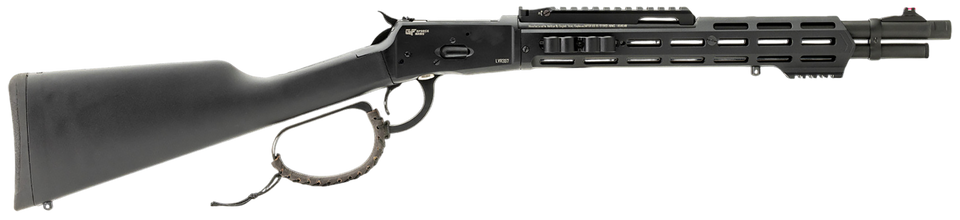
The world of sporting firearms has a long history shaped by innovation, craftsmanship, and changing outdoor traditions. Among the many designs that have influenced generations of enthusiasts, the lever-action rifle holds a special place. The GForce 30-30 Rifle represents a modern example of a platform connected to the long-standing popularity of the .30-30 lever-action category.
Understanding the history, mechanics, and characteristics of this style of rifle provides valuable insight into why lever-action designs continue to attract interest among collectors, outdoor enthusiasts, and those interested in firearm technology.
The History Behind the .30-30 Lever-Action Rifle
The .30-30 cartridge has played an important role in firearm history since its introduction in the late 19th century. It became closely associated with lever-action rifles because of its balance of practical design, manageable performance, and traditional appeal.
For generations, the lever-action platform has been recognized for its distinctive operating system and connection to outdoor sporting traditions. Its simple mechanical design helped establish it as one of the most recognizable rifle styles in history.
The continued interest in the GForce 30-30 Win Lever Action Rifle category reflects the lasting influence of this classic firearm design.
Understanding How Lever-Action Rifles Work
A lever-action rifle operates through a manually controlled lever located near the trigger area. Moving the lever cycles the action, allowing the firearm to prepare for the next shot.
This design became popular because of its:
Traditional mechanical operation
Distinctive handling characteristics
Historical importance
Connection to outdoor sporting culture
Unlike many modern firearm platforms, Lever-Action Rifles maintain a strong connection to earlier generations of firearm engineering while incorporating updated manufacturing approaches.
Key Design Elements of Modern Lever-Action Rifles
Modern versions of classic rifle platforms often combine traditional concepts with contemporary production methods.
Important design elements commonly include:
Durable Construction: Quality materials and careful manufacturing contribute to long-term reliability and preservation of the rifle’s mechanical design.
Ergonomic Handling: The traditional shape of lever-action rifles has been refined over time to improve comfort and handling while maintaining the recognizable style enthusiasts appreciate.
Classic Operating System: The lever-action mechanism remains one of the most identifiable firearm actions, offering a unique experience compared with other rifle designs.
Why Lever-Action Rifles Remain Historically Significant
Technology in the firearm industry continues to change, yet lever-action rifles remain an important part of sporting history.
Their popularity comes from several factors:
Strong historical connection
Distinctive design
Collectibility
Representation of outdoor traditions
Mechanical simplicity
Many enthusiasts appreciate lever-action rifles not only as functional sporting equipment but also as examples of engineering evolution. Call Now(+1 708-474-0662) to learn about our collector appraisal options.
The Importance of Responsible Firearm Knowledge
Understanding firearm design goes hand in hand with responsible ownership and safety awareness.
Anyone interested in learning about rifles should prioritize:
Proper safety education
Understanding local regulations
Safe storage practices
Responsible handling procedures
Professional instruction when appropriate
Knowledge and responsibility are essential parts of firearm culture. Contact our training department to sign up for an upcoming marksmanship class.
Exploring the Legacy of the .30-30 Platform
The GForce 30-30 Rifle category represents a connection between historical firearm development and modern manufacturing approaches. The .30-30 lever-action design continues to be recognized because of its place in sporting history and its influence on generations of firearm enthusiasts.
Learning about these platforms provides a deeper appreciation of mechanical design, craftsmanship, and the evolution of outdoor equipment.
Conclusion
The story of the .30-30 lever-action rifle is a story of innovation, tradition, and engineering progress. From its historical roots to modern interpretations, this style of rifle remains an important part of firearm history.
Whether studied from a technical, historical, or cultural perspective, the lever-action platform offers valuable insight into how firearm designs develop and remain relevant across generations.

Comments